

Author: Auset
As a metaphysical expert, spiritual counselor, and Program Director, I enjoy sharing knowledge and expertise with my clients. I provide one-on-one consultations in the following areas: spiritual issues, paranormal activity, natural health remedies, and personal development.
Protected: The God Within
Protected: Tell Pastor Porkchop to Get a Real Job!!
Protected: My People Perish for a Lack of Knowledge
Protected: Unmasking the Coons in Your Life
Protected: Are You Sabotaging Your Own Life?
Protected: Silencing the Inner Critic
Protected: The Greatest Love of All
Protected: Polar Vortex: Spiritual Warfare is Coming to America
Storing Food for Long Term Use
Inclement weather and emergency situations are occurring daily worldwide. The economic downturn is causing the cost of food to increase steadily. The uncertainty of our economy coupled with the strange weather patterns makes storing a small stockpile of food a very good idea in our present reality. Inclement weather events, power outages, and other disasters could make finding food outside of your home nearly impossible. Having something to fall back on is a smart and safe plan.
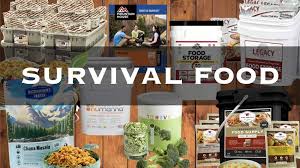
The Long-Term Food Supply
Consider this very realistic scenario: What if you were caught in a long-term power outage due to a severe storm that caused flooding and major damage to roadways? This type of situation could leave you stuck in your home for weeks.
Events such as this, and a long list of other possibilities, has already happened to many who were unprepared. Don‘t let this happen to you. Having a plan to survive and thrive in any situation, includes having enough food and water to fall back on. Being proactive will keep you and your family safe and healthy despite a drastic situation.
How Much Food Do You Need?
Every home should have a minimum of three days’ worth of food and water appropriate for their family size, but having at least two weeks’ worth is preferred. The rule of thumb for water is one gallon of water per person per day and do not forget to count children and pets at up to a full gallon of water each as well. The amount of food will depend on your family, but there should be enough to provide enough calories and nutrition to keep you healthy. At the very minimum, each family member should be able to have at least one full meal per day.
What Kinds of Food Should You Store?
Nutrition is key to your survival. You will want to stock food that has a minimum of a 3-6 month shelf life and keep that stock rotated so that nothing is spoiled should an emergency occur. Look for canned goods and other non-perishable foods that your family will eat. It will not benefit you to only stock canned foods that your family does not like because then it will be less likely that everyone will consume enough food and get the proper nutrition. Dehydrated fruits and vegetables, cereals, and bars will come in handy as well.

Make sure that you store various super-food powders like wheat grass, spirulina, and maca powders. We offer these and many other types of nutritional supplements in our online store. These super-food powders can provide you with a massive amount of nutrients in a small portion size, enabling your food to last for a longer amount of time.
Ready to eat canned goods that do not require cooking before consumption, granola bars, dried milk, peanut butter, nuts, and protein bars are all examples of good items to store. Crackers, bread, and similar products are good to keep as well – as long as you keep the stock rotated and keep in mind that they will not last as long as non-perishable items.
How to Store Food Items Long Term
Have a shelf, closet, pantry, or cellar dedicated to your emergency food storage. Everything in your emergency food supply should be stored in airtight containers and you will want to have extra storage containers and/or zip lock bags to keep opened items in. Keep a list or clearly mark all boxes, cans, and bags with expiration dates and “opened on” dates and keep your stock rotated and free of expired items.
Keeping a stockpile of food and water for your family to fall back on in times of need is a responsible part of emergency preparedness. Should a large storm or other disaster occur in your area, you are more likely to be able to survive comfortably for a longer amount of time.
Learn to Live off Nature
In addition to purchasing pre-packaged items, take the time to familiarize yourself with the edible plants that are all around you in nature. There are many plants that can provide you with more nutrients and energy than you can purchase in a food product that is sold in grocery stores. Nature grows year-round, so regardless of how long it takes for things to go back to normal, you can survive with an endless supply of nutrition for you and your family. From various grasses to berries, you can eat like a king for free when you learn how to live off nature.
We offer an Herbalism course in our Mystery school that teaches you how to identify plants that can be used as food sources and as medicine to heal your body. Learning how to work with nature is an important life skill to have.
 Metaphysical Wisdom
You must be logged in to post a comment.