

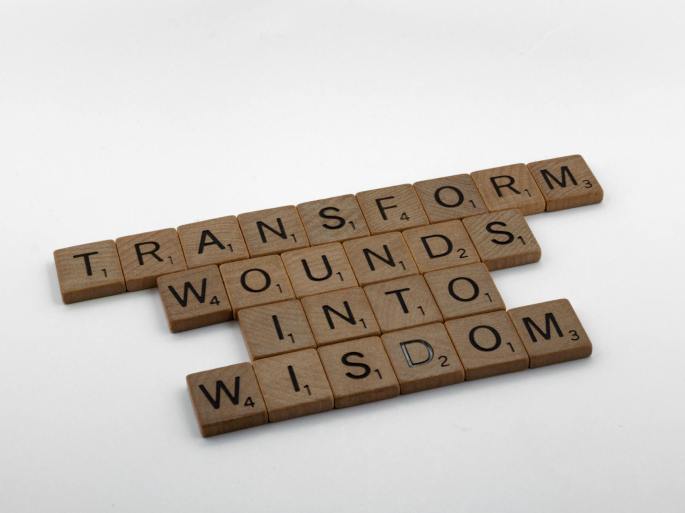
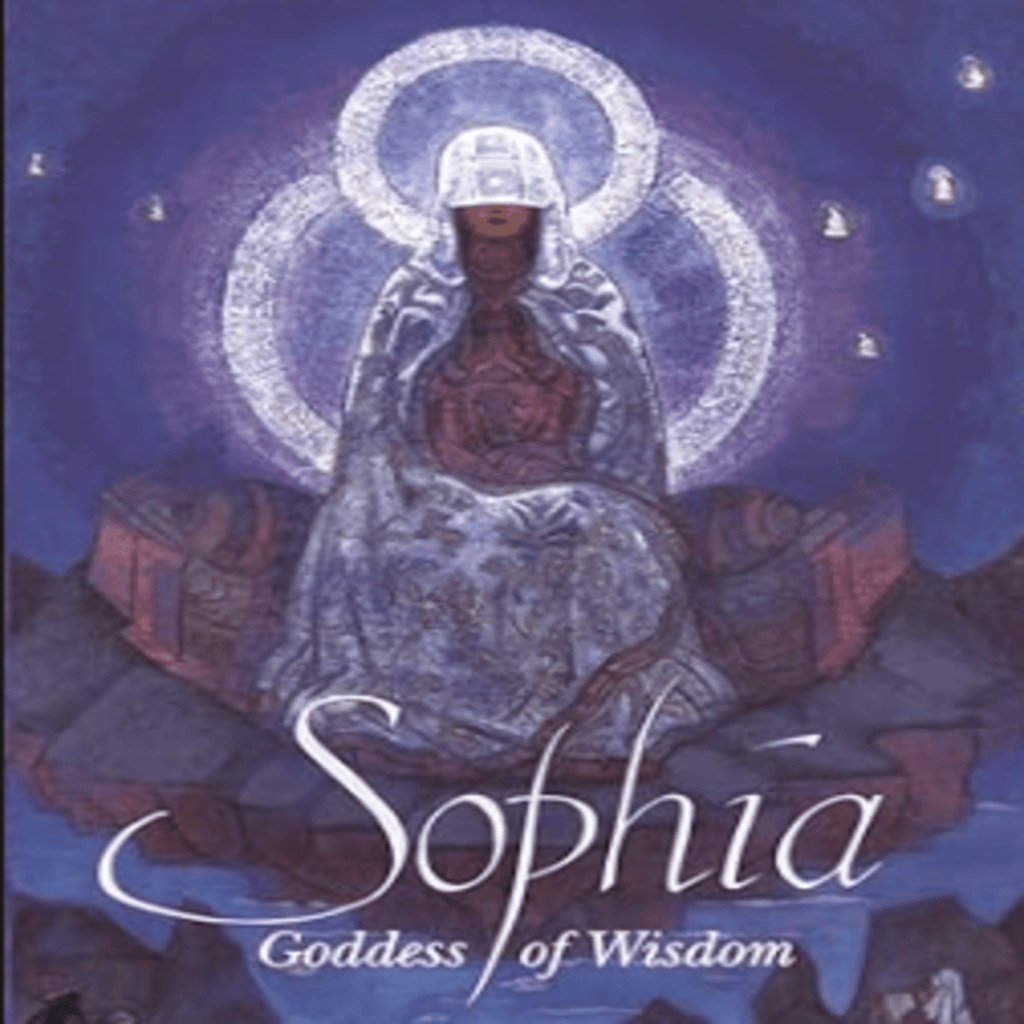
In the landscape of a woman’s life, there are distinct seasons. There is the spring of maidenhood, the summer of motherhood (literal or figurative), and the autumn of the matriarch. But Carl Jung, the father of analytical psychology, pointed to a deeper, often overlooked phase that transcends mere aging: the stage of Sophia.
Named after the Greek word for wisdom, the Sophia stage is not simply about getting older; it is about waking up. It represents the culmination of the feminine spiritual journey—a transition from living by the light of others to becoming the light yourself.
For the spiritual woman, understanding this stage is not just an academic exercise. It is a map for the soul’s second half of life. It is the journey from perfection to wholeness, from people-pleasing to profound inner authority.
The Container Must Break: The Crisis Before Wisdom
In Jungian psychology, the Sophia stage rarely arrives gently. It is usually preceded by a period of profound upheaval. Jung would call this a confrontation with the unconscious; for the woman living it, it feels like a dismantling.
This is the “dark night of the soul” that the mystics speak of. It might be triggered by an empty nest, a divorce that shatters your identity, a career that no longer holds meaning, or a deep disillusionment with the spiritual community you once trusted.
In the first half of life, we build the “Persona”—the mask we wear to be accepted, to be “good girls,” to be successful mothers, wives, or professionals. But the Sophia energy demands authenticity. It cannot thrive behind a mask. Therefore, the stage begins with the cracking of that mask.
For the spiritual woman, this is the first taste of true enlightenment: the realization that you are not who you thought you were.
Subscribe to get access
Read more of this content when you subscribe today.
 Metaphysical Wisdom
You must be logged in to post a comment.