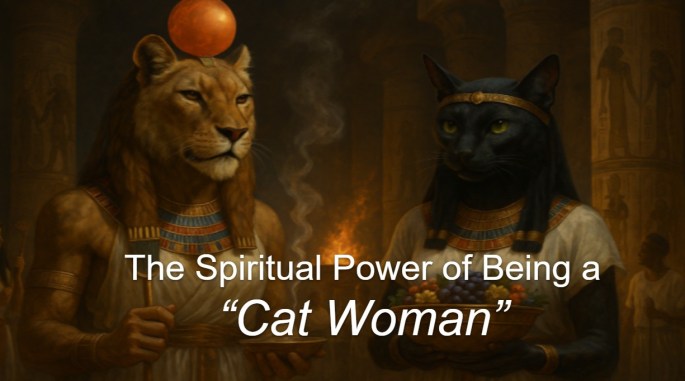
Beyond the Stereotype: The Spiritual Power of Being a “Cat Woman”

For decades, pop culture has weaponized the term “Cat Woman.” It’s been used to describe the solitary, single woman living with her feline companions—a figure often pitied, mocked, or viewed as someone who has given up on society’s expectations. The implication is always the same: she is lonely, bitter, and incomplete.

But what if we have been looking at this archetype through the wrong lens?

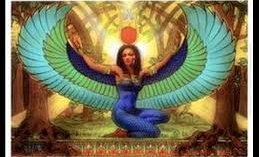
What if the modern “Cat Woman” is actually walking a path of profound spiritual strength, guarded by two of the most powerful deities in the Egyptian pantheon?

To the ancient Egyptians, living in the energy of the cat was not a sign of social failure. It was a sign of divine protection. To embody the feline spirit is to balance the fierce independence of Sekhmet with the nurturing sovereignty of Bastet. It is time to reclaim the “Cat Woman” as a spiritual goal, not a social insult.
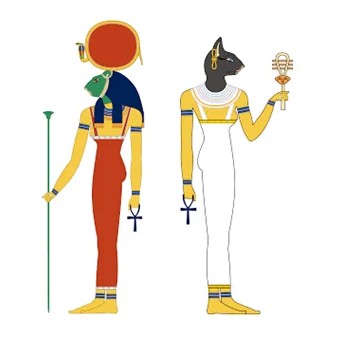
The Two Faces of the Feline Divine

To understand why the Cat Woman is a spiritual powerhouse, we have to look at the two goddesses who rule this archetype.

1. Bastet: The Protector of the Home
Bastet began as a lioness warrior but evolved into the goddess of home, fertility, joy, and domesticity. She is the energy of a cat lounging in a sunbeam—relaxed, warm, and content, but hyper-aware of every shift in the room.

The Spiritual Lesson: A woman aligned with Bastet knows that her home is her sanctuary. She does not need validation from the outside world because she has created a sacred space of peace within. The “Cat Woman” is often accused of being a “homebody,” but spiritually, this is guarding her energy. She is selective about who enters her temple. She is not lonely; she is protected. Bastet teaches that solitude is not emptiness—it is the fertile ground where joy and self-love grow.

2. Sekhmet: The One Who Roars
Sekhmet is the “Eye of Ra”—the lioness of wrath, vengeance, and divine destruction. She is the cat’s claws, not just her purr. Sekhmet represents the absolute refusal to be disrespected, controlled, or diminished.

The Spiritual Lesson: The “Cat Woman” stereotype often implies a woman who has “failed” at relationships. But the Sekhmet archetype suggests the opposite: she is a woman who has chosen to walk away from toxicity. She has learned to roar. In a world that pressures women to be agreeable and nurturing at all costs, the Cat Woman has invoked Sekhmet’s fire. She would rather be alone than be abused. She would rather be called “scary” than be unsafe. That is not a failure; that is spiritual mastery.

Why Solitude Is Actually Sovereignty

Society frowns upon the Cat Woman because she breaks the unspoken rule: A woman’s value is tied to her domestic availability to others.

When a woman prioritizes her peace over partnership, or her cats over children, she is committing a radical act of sovereignty. She is saying, “I am the center of my own universe.”

Bastet did not need a consort to define her temple. Sekhmet did not ask permission to destroy what threatened Ma’at (cosmic order). The Cat Woman walks in their footsteps. Her cats are not “substitutes” for children; they are living embodiments of Bastet’s grace and Sekhmet’s silent vigilance. They remind her daily that affection given on her terms is the only kind worth having.

The Alchemy of the Cat Woman

The true spiritual secret is that the Cat Woman has learned to alchemize the two goddesses.

  • Like Bastet, she creates a warm, joyful, peaceful nest. She sleeps well. She plays. She dances in her living room with no one watching.
  • Like Sekhmet, she has a fierce boundary. Knock without permission, and you will see the lioness. She is not “mean.” She is armed.

In a toxic culture that often demands women perform exhaustion, the Cat Woman performs restoration. She is not hiding from the world. She is recharging so that when she does engage, she brings the full force of the divine feminine—nurturing but unbending, loving but lethal.

A New Definition

So, let us redefine the goal.

To be a “Cat Woman” is not to be a spinster. It is to be a Priestess of Bastet-Sekhmet. It means you have moved past the desperate energy of seeking validation and into the sovereign energy of knowing your worth.

You do not need to be rescued. You have the sunbeam. You have the claws. And if the world frowns upon you for it? Let them.

Sekhmet didn’t mind the frowns of her enemies. And Bastet was too busy purring to care.

Embrace the litter box. Embrace the roar. You are in very good company.

The Wild Wisdom Years: Understanding the Sophia Stage in a Woman’s Spiritual Enlightenment

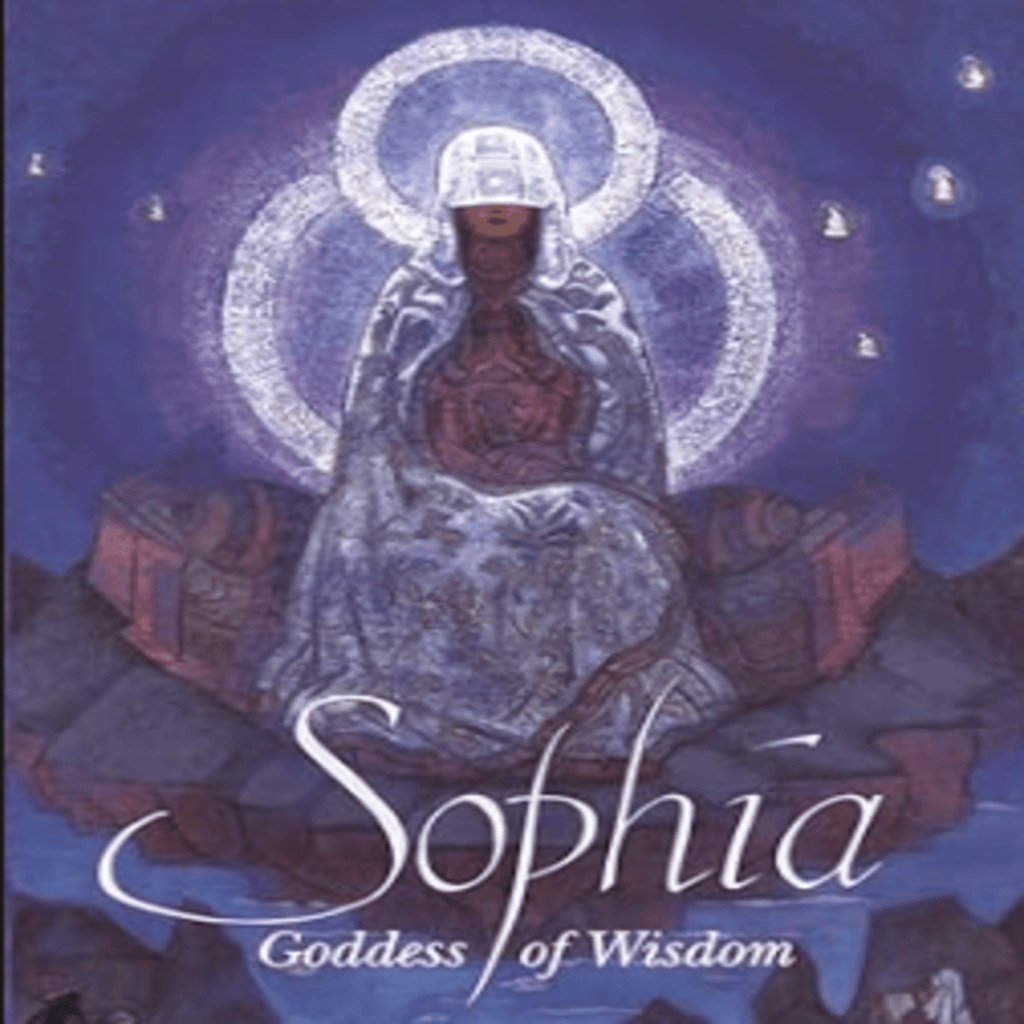
In the landscape of a woman’s life, there are distinct seasons. There is the spring of maidenhood, the summer of motherhood (literal or figurative), and the autumn of the matriarch. But Carl Jung, the father of analytical psychology, pointed to a deeper, often overlooked phase that transcends mere aging: the stage of Sophia.

Named after the Greek word for wisdom, the Sophia stage is not simply about getting older; it is about waking up. It represents the culmination of the feminine spiritual journey—a transition from living by the light of others to becoming the light yourself.

For the spiritual woman, understanding this stage is not just an academic exercise. It is a map for the soul’s second half of life. It is the journey from perfection to wholeness, from people-pleasing to profound inner authority.

The Container Must Break: The Crisis Before Wisdom

In Jungian psychology, the Sophia stage rarely arrives gently. It is usually preceded by a period of profound upheaval. Jung would call this a confrontation with the unconscious; for the woman living it, it feels like a dismantling.

This is the “dark night of the soul” that the mystics speak of. It might be triggered by an empty nest, a divorce that shatters your identity, a career that no longer holds meaning, or a deep disillusionment with the spiritual community you once trusted.

In the first half of life, we build the “Persona”—the mask we wear to be accepted, to be “good girls,” to be successful mothers, wives, or professionals. But the Sophia energy demands authenticity. It cannot thrive behind a mask. Therefore, the stage begins with the cracking of that mask.

For the spiritual woman, this is the first taste of true enlightenment: the realization that you are not who you thought you were.

Subscribe to get access

Read more of this content when you subscribe today.

Forbidden Wisdom of the Sacred Sexual Priestess: The Missing Piece of the Goddess

If you’ve ever explored goddess spirituality, you’ve likely encountered the beloved triad: the Maiden, the mother, and the Crone. It’s a beautiful, cyclical framework that mirrors the moon, the seasons, and the stages of a woman’s life. But if you’ve ever sat with it and felt something was… missing… you’re not alone.

Where, in this revered trinity, is the sovereign woman who owns her erotic power not for birth, but for ecstasy? Where is the hierophant of sacred union, the weaver of spells through intimacy, the embodiment of sexuality as a direct path to the divine?

She’s been edited out. And her absence holds a forbidden wisdom we desperately need to reclaim.


Subscribe to get access

Read more of this content when you subscribe today.

The Sacred Shift: Why 2026 is the Year to Decenter Men & Reclaim Your Spiritual Wholeness

If your spiritual journey has ever felt like a winding path that somehow, subtly, keeps circling back to men—their approval, their guidance, their presence, or their absence—you are not alone. For generations, the spiritual blueprint for women has been quietly but powerfully oriented around the masculine: seeking the divine father, following male teachers, yearning for a sacred partnership to feel complete, or shaping our healing around wounds inflicted by men.

In 2026, a profound and collective invitation is being extended. It’s time for a sacred shift. It’s time to decenter men from our spiritual center.

This isn’t about bitterness, exclusion, or declaring war. It is about a conscious, compassionate, and radical act of reorientation. It is about placing your own divine feminine essence—your intuition, your creativity, your cyclical wisdom, your boundless capacity to nurture and transform—at the very core of your spiritual universe.

Subscribe to get access

Read more of this content when you subscribe today.

Marriage is a Humiliation Ritual

Humiliation rituals are more than just cruel or uncomfortable moments—they’re structured practices designed to degrade, embarrass, or shame individuals or groups. Often disguised as tradition, discipline, or loyalty tests, these rituals can serve a range of purposes, from enforcing hierarchy to breaking someone’s spirit. But behind their many forms lies a common thread: control.

Let’s explore what humiliation rituals are, where they occur, their psychological consequences, and how they’ve been embedded in cultures throughout history.


What Is a Humiliation Ritual?

At its core, a humiliation ritual is a deliberate act meant to strip someone of dignity. It’s often used to:

  • Punish or discipline
  • Initiate someone into a group
  • Enforce conformity or obedience
  • Assert dominance or maintain a hierarchy

Unlike spontaneous bullying or random acts of cruelty, humiliation rituals are intentional and often repeated, normalized, or even institutionalized.


Subscribe to get access

Read more of this content when you subscribe today.

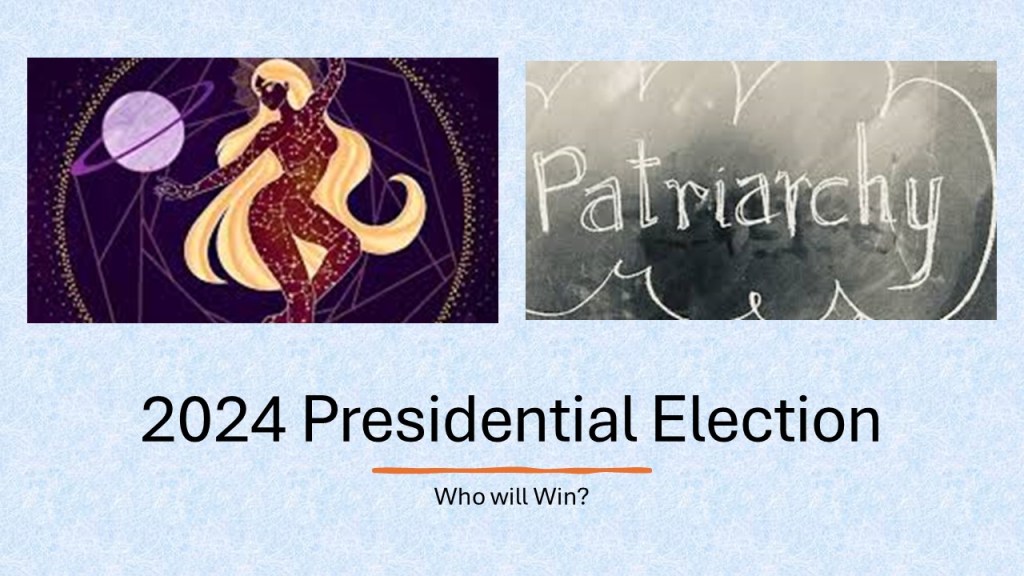
2024 Presidential Election: A Battle Between Patriarchy and the Divine Feminine

The Patriarchal system is fighting to maintain control over the incoming divine feminine energy.  This cosmic battle has trickled down into our physical reality for all to see in the 2024 presidential election.  This metaphysical truth becomes undeniable when you analyze the names of our two top presidential candidates, Donald and Kamala.

Trump represents the current system that has dominated the world.  That’s why his first name, Donald, means “ruler of the world” or “world mighty.”  It was derived from Celti words dumno, meaning “world” and val, meaning “rule.”  He is running on the slogan, “Make America Great Again.”  He is the personification of patriarchy.  His wealth, lustful deeds, domineering nature coupled with the vast number of racist supporters is the embodiment of the ruling spirit that conquered the globe. 

His competitor, Kamala, represents the divine feminine.  Kamala means “she of the lotus” and was the last in the list of the Ten Mahavidyas (great revelations or manifestations), who are a group of Tantric goddesses.  The goddess is portrayed as favorable and beautiful, with a lovely golden complexion.  She sits in a lotus posture on top of a lotus flower.  The goddess has four hands—two holding lotuses and two held in signs of granting blessings and giving assurance.  People consider Kamala and Sri Lakshmi to be the same goddess.

There is an ancient tale of this battle between the current patriarchal system and the divine feminine called The Churning of the Milky Ocean. 

According to the story, the warrior god Indra had the task of protecting the world from demons that had long sought to destroy it, and with the help of Lakshmi (Kamala), he successfully accomplished this for many years.

One day, he was gifted a garland of sacred flowers by a wise sage, displeased by the gift Indra threw the flowers away in a show of arrogance. Lakshmi (Kamala) who had been observing this interaction was angered by his arrogance and rudeness and decided to leave the world of the god and enter into the Milky Ocean as punishment.

Without her power as the goddess of success and fortune, the gods lost their blessings and demons began seeping into the world, causing everything to grow darker, people to become greedier, and the gods to be ignored.

As time went on, the gods began to lose their power. Indra came to Vishnu and begged for his help. Vishnu instructed Indra that he and the other gods must churn the Milky Ocean to return Lakshmi (Kamala) to the surface and gain her favor again.

In the Ocean’s depth also lay many treasures, such as the elixir of life and a potion to bestow immortality. These would all help them to rid the world of demons and restore balance. For over 1,000 years, the gods worked together to churn the ocean for Lakshmi and the treasure with little luck.

Finally, Lakshmi (Kamala) arose to the surface as a beautiful woman standing on a lotus flower along with all the treasure they had sought. With her help and power, the gods could finally defeat the demons that had infested our world and push them back into darkness.

I am curious to see if the Establishment will allow the divine feminine to rule again OR if they are using this election as a global ritual to continue to suppress her energy. 

Only time will tell…