Marriage is a Humiliation Ritual

Humiliation rituals are more than just cruel or uncomfortable moments—they’re structured practices designed to degrade, embarrass, or shame individuals or groups. Often disguised as tradition, discipline, or loyalty tests, these rituals can serve a range of purposes, from enforcing hierarchy to breaking someone’s spirit. But behind their many forms lies a common thread: control.

Let’s explore what humiliation rituals are, where they occur, their psychological consequences, and how they’ve been embedded in cultures throughout history.


What Is a Humiliation Ritual?

At its core, a humiliation ritual is a deliberate act meant to strip someone of dignity. It’s often used to:

  • Punish or discipline
  • Initiate someone into a group
  • Enforce conformity or obedience
  • Assert dominance or maintain a hierarchy

Unlike spontaneous bullying or random acts of cruelty, humiliation rituals are intentional and often repeated, normalized, or even institutionalized.


Common Settings for Humiliation Rituals

1. Hazing and Initiations
In some fraternities, military units, or sports teams, new members undergo degrading tasks or challenges to “prove” their worth. These rituals are often justified as bonding experiences but can veer into physical or emotional abuse.

2. Workplace and Institutional Abuse
Toxic corporate environments, cults, or authoritarian institutions may use public scolding, isolation, or humiliation tactics to reinforce submission and discourage dissent.

3. Public Shaming
Historically, punishments like the stocks or the pillory were designed to shame offenders in front of a crowd. Today, online “cancel culture” can act as a digital version—turning social media into a public square of judgment.

4. Interpersonal Abuse
In toxic relationships, one partner may humiliate the other—publicly or privately—as a way to maintain control. Over time, this can erode the victim’s sense of self and autonomy.

5. Religious or Cultural Practices
Some traditions incorporate elements of shame or public penance. For example, public acts of atonement or confession may be part of a ritual meant to humble the individual, though the intent can vary widely across cultures.


The Psychological Impact

Humiliation rituals can leave deep and lasting psychological scars. Common effects include:

  • Post-Traumatic Stress Disorder (PTSD)
  • Loss of self-worth and identity
  • Learned submission or over-compliance
  • Long-term resentment or desire for revenge

Far from being “character-building,” these rituals often result in emotional damage that can take years to undo, if ever.


Historical and Cultural Examples

To understand how deeply rooted these rituals are, consider these examples:

  • Roman Triumphs: Victorious generals paraded defeated enemies through the streets in chains—a celebration for some, a ritual humiliation for others.
  • The Scarlet Letter: Nathaniel Hawthorne’s fictional tale of a woman forced to wear a red “A” for adultery was based on real practices of public shaming in Puritan society.
  • Military “Blanket Parties”: In some armed forces, this form of hazing involves physically attacking a fellow soldier under a blanket—used as punishment or discipline.
  • Marital Dynamics: In some relationships, rituals of humiliation (verbal belittling, forced apologies, or denial of dignity) become regular tools of power and control.

A Deeper Look: Marriage and Relationships

Humiliation doesn’t always come with ceremony. In relationships, especially abusive ones, humiliation can be a daily ritual. Name-calling, gaslighting, or being ridiculed in front of others are all methods abusers use to chip away at a partner’s confidence. These patterns don’t just harm—they isolate, condition, and control.


Final Thoughts

Humiliation rituals are often hidden in plain sight—wrapped in tradition, disguised as discipline, or justified as character tests. But their effects are real and often deeply harmful.

Recognizing these patterns, whether in historical analysis or daily life, is a first step toward breaking them. Whether in institutions, relationships, or online spaces, we need to question traditions that thrive on shame and start building cultures rooted in respect.


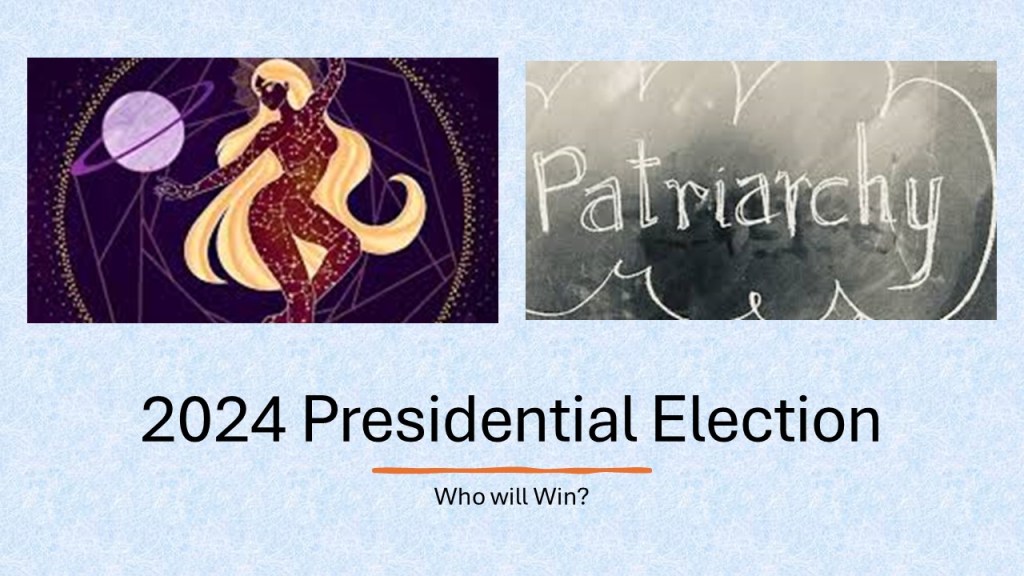
2024 Presidential Election: A Battle Between Patriarchy and the Divine Feminine

The Patriarchal system is fighting to maintain control over the incoming divine feminine energy.  This cosmic battle has trickled down into our physical reality for all to see in the 2024 presidential election.  This metaphysical truth becomes undeniable when you analyze the names of our two top presidential candidates, Donald and Kamala.

Trump represents the current system that has dominated the world.  That’s why his first name, Donald, means “ruler of the world” or “world mighty.”  It was derived from Celti words dumno, meaning “world” and val, meaning “rule.”  He is running on the slogan, “Make America Great Again.”  He is the personification of patriarchy.  His wealth, lustful deeds, domineering nature coupled with the vast number of racist supporters is the embodiment of the ruling spirit that conquered the globe. 

His competitor, Kamala, represents the divine feminine.  Kamala means “she of the lotus” and was the last in the list of the Ten Mahavidyas (great revelations or manifestations), who are a group of Tantric goddesses.  The goddess is portrayed as favorable and beautiful, with a lovely golden complexion.  She sits in a lotus posture on top of a lotus flower.  The goddess has four hands—two holding lotuses and two held in signs of granting blessings and giving assurance.  People consider Kamala and Sri Lakshmi to be the same goddess.

There is an ancient tale of this battle between the current patriarchal system and the divine feminine called The Churning of the Milky Ocean. 

According to the story, the warrior god Indra had the task of protecting the world from demons that had long sought to destroy it, and with the help of Lakshmi (Kamala), he successfully accomplished this for many years.

One day, he was gifted a garland of sacred flowers by a wise sage, displeased by the gift Indra threw the flowers away in a show of arrogance. Lakshmi (Kamala) who had been observing this interaction was angered by his arrogance and rudeness and decided to leave the world of the god and enter into the Milky Ocean as punishment.

Without her power as the goddess of success and fortune, the gods lost their blessings and demons began seeping into the world, causing everything to grow darker, people to become greedier, and the gods to be ignored.

As time went on, the gods began to lose their power. Indra came to Vishnu and begged for his help. Vishnu instructed Indra that he and the other gods must churn the Milky Ocean to return Lakshmi (Kamala) to the surface and gain her favor again.

In the Ocean’s depth also lay many treasures, such as the elixir of life and a potion to bestow immortality. These would all help them to rid the world of demons and restore balance. For over 1,000 years, the gods worked together to churn the ocean for Lakshmi and the treasure with little luck.

Finally, Lakshmi (Kamala) arose to the surface as a beautiful woman standing on a lotus flower along with all the treasure they had sought. With her help and power, the gods could finally defeat the demons that had infested our world and push them back into darkness.

I am curious to see if the Establishment will allow the divine feminine to rule again OR if they are using this election as a global ritual to continue to suppress her energy. 

Only time will tell…