Witches – A Halloween Tribute

The Witch and the Goddess Isis: A Historical and Symbolic Connection

The spiritual history of witches is deeply rooted in ancient pre-Christian traditions, where individuals, often women, served as healers, midwives, and spiritual guides within their communities. These figures were believed to possess a deep connection to the natural world and the cycles of the earth, which they accessed through herbs, rituals, and divination. In many pagan societies, such as those of the Celts and Greeks, these wise women or oracles were respected for their knowledge of medicine and the sacred. Their practices were intrinsically tied to a polytheistic worldview that saw the divine as immanent in nature. Therefore, the spiritual role of the “witch” was originally one of community service and spiritual intermediation.

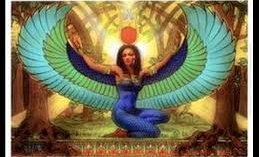
Tracing back, the link began during Hellenistic times – later with Rome – as people across the Mediterranean honored Isis as a major goddess connected to potent magic, ruling power, and hidden wisdom. The well-known story tells how she skillfully employed strong magic to put her slain husband, Osiris, back together; subsequently, she safeguarded their child, Horus, from danger. She became the image of a godlike spellcaster, someone using otherworldly abilities to get results. Consequently, this idea shaped how people viewed – then practiced – ritual magic, eventually linking it to what we now call witchcraft.

As witch hunts swept through Europe, traditional scholarship still mattered. Those studying demons – often well-educated people – sometimes highlighted pre-Christian gods such as Isis, claiming witches worshipped these “fake gods.” Church leaders saw reverence for figures like Isis not as simple belief, but rather as idol worship or service to the Devil. Isis, once a strong goddess, became a target. Her power – her freedom, her magic – served to paint accused witches as evil. So, the old, honored deity got swept up in stories about wicked women.
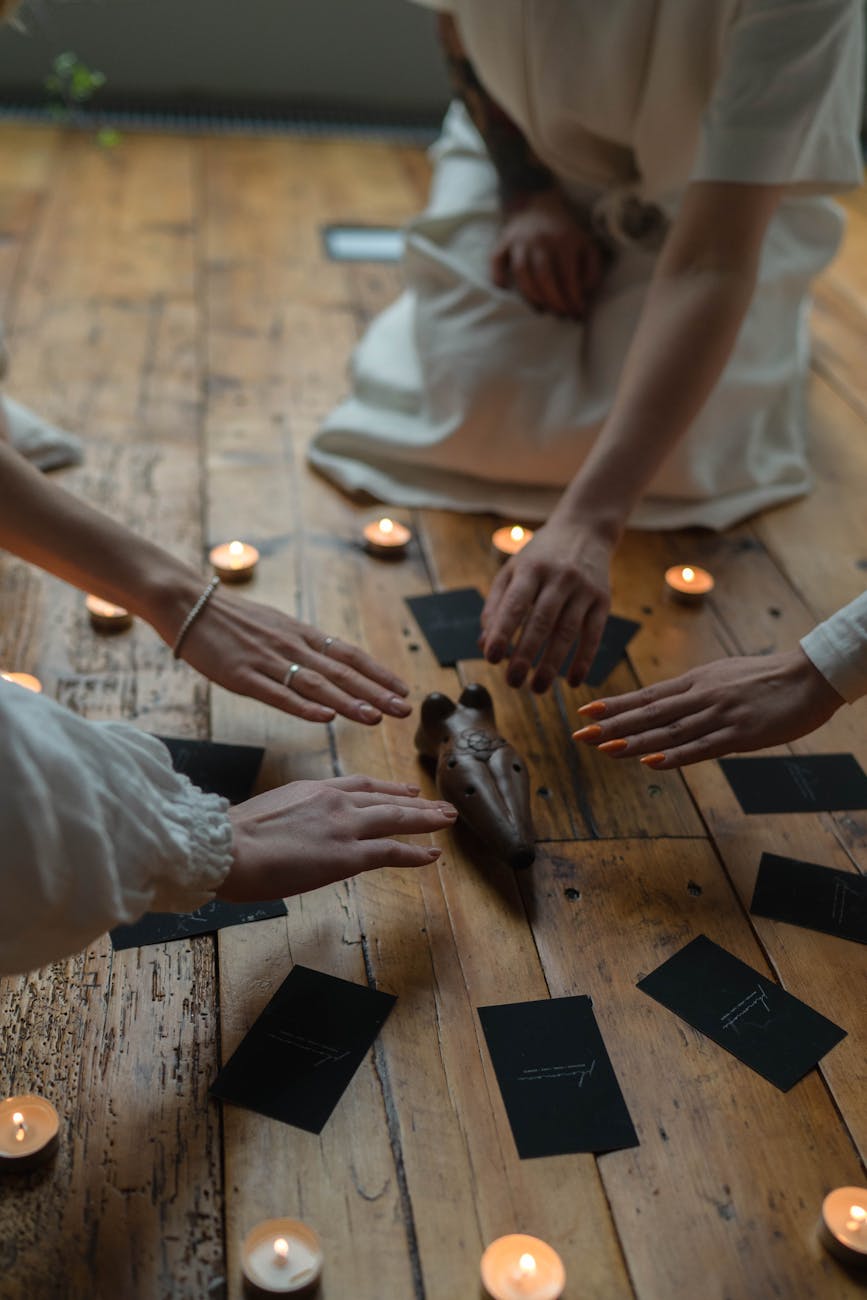
Now, a clear connection appears when looking at today’s renewed interest in witchcraft alongside Pagan beliefs – especially Wicca and honoring goddesses. These paths intentionally bring back gods and goddesses worshipped before Christianity. Within them, Isis frequently gains respect as a key face of the “Triple Goddess,” or the Great Mother, representing the fullness of the lunar cycle also mirroring a strong, sovereign ruler. These days, quite a few witches call on Isis during spell work, drawn to her gifts of safeguarding, mending, change, also secret knowledge. They see her not as something frightening, rather as a guiding spirit – a goddess showing how potent a witch might become, both skillful yet kind.

Isis’s story – grieving widow, devoted mom, determined truth-seeker – mirrors the witch, both emblems of female strength alongside hidden wisdom. They navigate worlds built by men, relying on smarts moreover secret arts to get things done. Now, the modern witch echoes Isis – a free spirit grasping cosmic rules, unafraid to wield them. Consequently, Isis feels like a foremother to lots of witches today.

Once celebrated as a goddess of enchantment, Isis shifted over time – vilified then embraced anew. This journey mirrors that of the witch herself. Because Isis represents an original, strong woman wielding power, she gifts witchcraft with deep roots and respectability. So, acknowledging Isis feels like tapping into magic’s very first sources.

In honor of the great mother, I am hosting a month-long ritual training boot camp starting the first week of January 2026. Embark on a transformative four-week journey to awaken your inner priestess and reconnect with the ancient power of the divine feminine. My Isis Ritual Boot Camp is a dedicated container for women to explore the profound spiritual technologies of the renowned Egyptian goddess, Isis. You will learn to master foundational practices drawn from her myths, including the creation of sacred space, the crafting of potent invocations, and the use of ritual tools for healing and personal empowerment. Through guided sessions, we will delve into the archetypes of the Magician and the Sovereign Queen, teaching you how to integrate these energies into your modern life. This intensive program is designed to provide you with a tangible spiritual toolkit, fostering a deep, personal connection with Isis to cultivate resilience, wisdom, and magical authority.

Don’t delay…..Register TODAY!

Marriage is a Humiliation Ritual

Humiliation rituals are more than just cruel or uncomfortable moments—they’re structured practices designed to degrade, embarrass, or shame individuals or groups. Often disguised as tradition, discipline, or loyalty tests, these rituals can serve a range of purposes, from enforcing hierarchy to breaking someone’s spirit. But behind their many forms lies a common thread: control.

Let’s explore what humiliation rituals are, where they occur, their psychological consequences, and how they’ve been embedded in cultures throughout history.


What Is a Humiliation Ritual?

At its core, a humiliation ritual is a deliberate act meant to strip someone of dignity. It’s often used to:

  • Punish or discipline
  • Initiate someone into a group
  • Enforce conformity or obedience
  • Assert dominance or maintain a hierarchy

Unlike spontaneous bullying or random acts of cruelty, humiliation rituals are intentional and often repeated, normalized, or even institutionalized.


Common Settings for Humiliation Rituals

1. Hazing and Initiations
In some fraternities, military units, or sports teams, new members undergo degrading tasks or challenges to “prove” their worth. These rituals are often justified as bonding experiences but can veer into physical or emotional abuse.

2. Workplace and Institutional Abuse
Toxic corporate environments, cults, or authoritarian institutions may use public scolding, isolation, or humiliation tactics to reinforce submission and discourage dissent.

3. Public Shaming
Historically, punishments like the stocks or the pillory were designed to shame offenders in front of a crowd. Today, online “cancel culture” can act as a digital version—turning social media into a public square of judgment.

4. Interpersonal Abuse
In toxic relationships, one partner may humiliate the other—publicly or privately—as a way to maintain control. Over time, this can erode the victim’s sense of self and autonomy.

5. Religious or Cultural Practices
Some traditions incorporate elements of shame or public penance. For example, public acts of atonement or confession may be part of a ritual meant to humble the individual, though the intent can vary widely across cultures.


The Psychological Impact

Humiliation rituals can leave deep and lasting psychological scars. Common effects include:

  • Post-Traumatic Stress Disorder (PTSD)
  • Loss of self-worth and identity
  • Learned submission or over-compliance
  • Long-term resentment or desire for revenge

Far from being “character-building,” these rituals often result in emotional damage that can take years to undo, if ever.


Historical and Cultural Examples

To understand how deeply rooted these rituals are, consider these examples:

  • Roman Triumphs: Victorious generals paraded defeated enemies through the streets in chains—a celebration for some, a ritual humiliation for others.
  • The Scarlet Letter: Nathaniel Hawthorne’s fictional tale of a woman forced to wear a red “A” for adultery was based on real practices of public shaming in Puritan society.
  • Military “Blanket Parties”: In some armed forces, this form of hazing involves physically attacking a fellow soldier under a blanket—used as punishment or discipline.
  • Marital Dynamics: In some relationships, rituals of humiliation (verbal belittling, forced apologies, or denial of dignity) become regular tools of power and control.

A Deeper Look: Marriage and Relationships

Humiliation doesn’t always come with ceremony. In relationships, especially abusive ones, humiliation can be a daily ritual. Name-calling, gaslighting, or being ridiculed in front of others are all methods abusers use to chip away at a partner’s confidence. These patterns don’t just harm—they isolate, condition, and control.


Final Thoughts

Humiliation rituals are often hidden in plain sight—wrapped in tradition, disguised as discipline, or justified as character tests. But their effects are real and often deeply harmful.

Recognizing these patterns, whether in historical analysis or daily life, is a first step toward breaking them. Whether in institutions, relationships, or online spaces, we need to question traditions that thrive on shame and start building cultures rooted in respect.


The Great Mother’s Day Ritual

Living in a patriarchy system, it is rare that women are celebrated. Mother’s Day is a time when the divine feminine can freely express herself. As daughters of this spiritual power, it is very important that we tap into her energy to manifest the life of our dreams.

The rise of male-dominated monotheism (exemplified by Yahweh in Judaism, Christianity, and Islam) often overshadowed earlier goddess worship—but traces of the Great Mother lingered in surprising ways. The Egyptian goddess Isis played a particularly fascinating role in this transition, indirectly influencing the development of Abrahamic religions. Here’s how:


Isis: The Universal Mother Goddess

Before Yahweh became the supreme God of the West, Isis was one of the most widely worshipped deities in the Mediterranean. Her cult spread from Egypt to Greece, Rome, and beyond, thanks to her universal appeal:

  • Goddess of Magic & Resurrection: She reassembled and revived her murdered husband, Osiris, symbolizing triumph over death.
  • Divine Mother: She gave birth to Horus, the savior-king, and was depicted nursing him—an image later echoed in Virgin Mary iconography.
  • Claimed Omnipotence: Inscriptions called her the “One Who Is All” (similar to Yahweh’s “I Am Who I Am”).

By the Hellenistic period (4th–1st century BCE), Isis was syncretized with other goddesses (Aphrodite, Demeter) and even marketed as a single, all-powerful goddess—a step toward monotheism.

I invite you to join us as we honor our Great Mother in a group ritual. This ritual is designed to honor the Divine Feminine, invoke nurturing energy, and establishing a divine connection with the cycles of creation, protection, and transformation. Click the link below for more information.